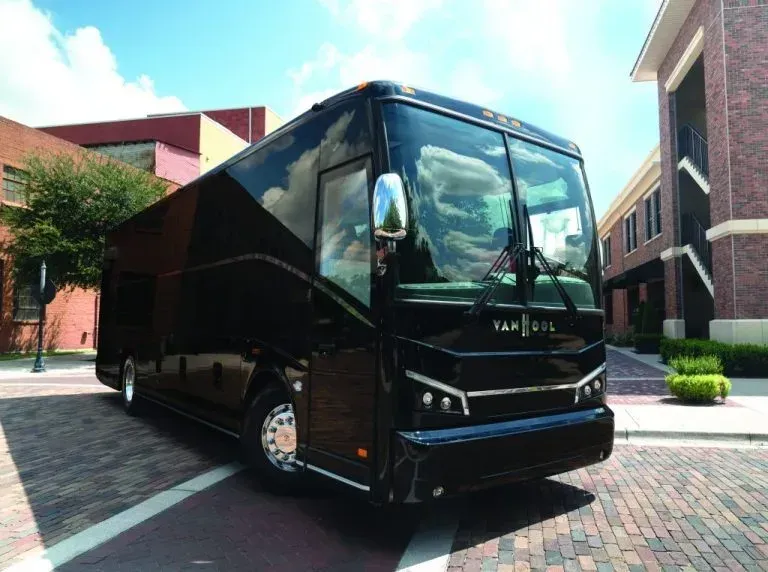
Arranging transportation for a large group can quickly grow into a complex assignment when multiple schedules, pickup logistics, and travel expectations come into play. Whether the event includes business functions, family occasions, group excursions, or special celebrations, making sure everyone arrives together and on schedule requires careful preparation. A structured transportation strategy helps reduce uncertainty, avoid delays, and enhance the overall experience for all travelers. By recognizing the essential aspects of group transportation management, organizers can develop a smooth travel experience from start to finish.
When numerous travelers journey together, transportation extends beyond basic passenger movement between locations. It becomes an important part of the overall event experience. Well-managed coordination assists with maintaining schedules, encouraging communication, and creating a more pleasant travel experience. At A1 Quality Express Limousine, we understand the importance of creating organized transportation solutions that help groups travel with confidence and convenience.
Start Planning Transportation Well in Advance
Well-organized group transportation begins through early planning. Leaving transportation planning too late may restrict options and complicate efforts to address specific group needs. Transportation planning should begin with confirming passenger totals, travel timelines, expected departure schedules, and destination requirements. Early information gathering lays the groundwork for transportation arrangements that complement the event timeline.
Forward-thinking preparation allows planners to detect issues before they become significant problems. Various factors, including traffic patterns, pickup arrangements, accessibility requirements, and event schedules, may influence transportation decisions. By addressing these details ahead of time, organizers can develop a transportation strategy that keeps the group moving efficiently. Detailed preparation often contributes to smoother journeys and reduced disruptions.
Assess the Number and Needs of Participants
One of the primary aspects of group transportation planning is determining passenger numbers and specific requirements. Accurate traveler counts assist in matching transportation resources to group requirements effectively. Coordinators should establish participant counts promptly and keep them updated throughout the planning process.
Beyond passenger numbers, it is important to consider individual needs within the group. Some travelers may require additional luggage space, while others may need special accommodations or assistance. Understanding these details allows transportation arrangements to be customized accordingly. Carefully gathering complete information contributes to a more efficient and enjoyable travel experience for all participants.
Create a Detailed Transportation Schedule
A detailed transportation plan works as a reference point for everyone involved. Coordinators should define departure timings, pickup areas, estimated travel durations, arrival expectations, and stopovers along the route. Having a detailed schedule minimizes uncertainty and helps everyone understand where they need to be and when. Maintaining clarity and consistency is crucial when coordinating transportation for large groups.
Effective communication greatly contributes to schedule reliability. All passengers should be provided with transportation information prior to the event. Sharing itineraries through email, messaging platforms, or printed materials helps keep everyone informed. When passengers understand expectations, operations typically run without disruption.
Implement Central Pickup and Drop-Off Areas
Working with many pickup locations can introduce avoidable challenges in coordination. When possible, coordinators should use unified pickup and drop-off points for participant convenience. Centralizing locations helps speed up boarding and minimizes delays caused by frequent stops. It contributes to clearer communication and better operational performance.
Centralized locations provide additional benefits by making it easier to account for all travelers before departure. Organizers can verify participants, communicate updates, and clarify details before the trip starts. An organized system helps ensure readiness and schedule adherence. Clear gathering points play a major role in creating smooth travel experiences.
Emphasize Clear Communication Across the Entire Process
Strong communication is a critical factor in effective coordination of group travel. Travelers should be consistently informed about timing, pickup guidance, expectations, and updates. Providing precise details helps avoid confusion and improves readiness. Strong communication increases both efficiency and overall satisfaction.
Organizers should ensure reliable systems for distributing information before and during travel. Designated contacts and digital communication tools help spread updates quickly. In the middle of any successful transportation plan, communication remains the connecting element that keeps everyone informed and aligned. Consistent information sharing helps ensure smooth and uninterrupted travel.
Anticipate Unforeseen Situations
Even the most carefully planned transportation arrangements can encounter unexpected circumstances. Conditions such as weather, traffic, timing changes, and delays may demand immediate action. Flexibility within planning improves the ability to handle sudden changes. Preparation creates greater resilience and helps maintain smooth operations despite changing conditions.
Contingency strategies should include backup plans, route alternatives, and key decision contacts. Defined procedures support calm and organized reactions to unexpected issues. Forward planning ensures transportation continues smoothly even when changes are required.
Put Passenger Comfort and Convenience First
Comfort is a major factor in the overall travel experience. Groups traveling together for long periods require strong focus on comfort. A well-managed environment and seating comfort enhance the travel experience. A comfortable journey helps travelers arrive refreshed and ready.
Convenience also contributes to successful transportation coordination. Simplified processes help avoid confusion and delays for passengers. When transportation is thoughtfully organized, travelers can focus on enjoying the event rather than worrying about logistics. A well-organized journey enhances the success of the entire event.
Partner with Skilled Transportation Experts
Group group travel transportation involves multiple moving components, making professional assistance highly valuable. Experienced providers know how to manage timing, passenger coordination, and operational efficiency. Their skills assist in managing logistics while keeping operations organized.
Experienced teams offer insights that improve planning and execution. Their expertise in group travel supports proactive problem-solving. With professional help, organizers can focus on the event while logistics are managed with precision.
Make Group Transportation Part of the Event Experience
Group travel should be treated as part of the event experience rather than basic transit. Proper coordination gives travelers time to unwind and connect before reaching their destination. Well-managed transport enhances the event atmosphere and experience.
At A1 Quality Express Limousine, we know that successful transportation is built on planning, communication, and service excellence. Group transportation becomes manageable when structured methods are followed. By emphasizing structure, preparation, and comfort, groups can experience smooth travel that enhances any event. We are proud to provide seamless travel experiences that give passengers confidence and ease.